High-ticket sales are B2B deals — typically starting around $10,000 and running into six or seven figures — that involve a complex, consultative buying process rather than a quick transaction. What defines a high-ticket sale isn't price alone but complexity: multiple stakeholders must evaluate and approve the purchase, the sales cycle stretches over weeks or months, and the buyer expects proof before committing.
Key takeaways
- High-ticket B2B deals typically start at $10,000 and can extend well past $100,000, per Apollo.io's analysis of high-ticket sales — but the defining feature is deal complexity, not just price.
- Gartner finds that a typical B2B buying group involves 6 to 10 stakeholders, each independently gathering information before the group ever meets with a supplier — which is why high-ticket sales cycles run long.
- Buyers spend only about 17% of their total purchase time meeting with potential suppliers, according to Gartner, spending the rest researching independently — making asynchronous content like video a critical way to reach stakeholders sales reps never meet directly.
- High-ticket sales cycles reward multi-threaded outreach: reaching several stakeholders in parallel rather than relying on a single point of contact, since any one blocker can stall a large deal for months.
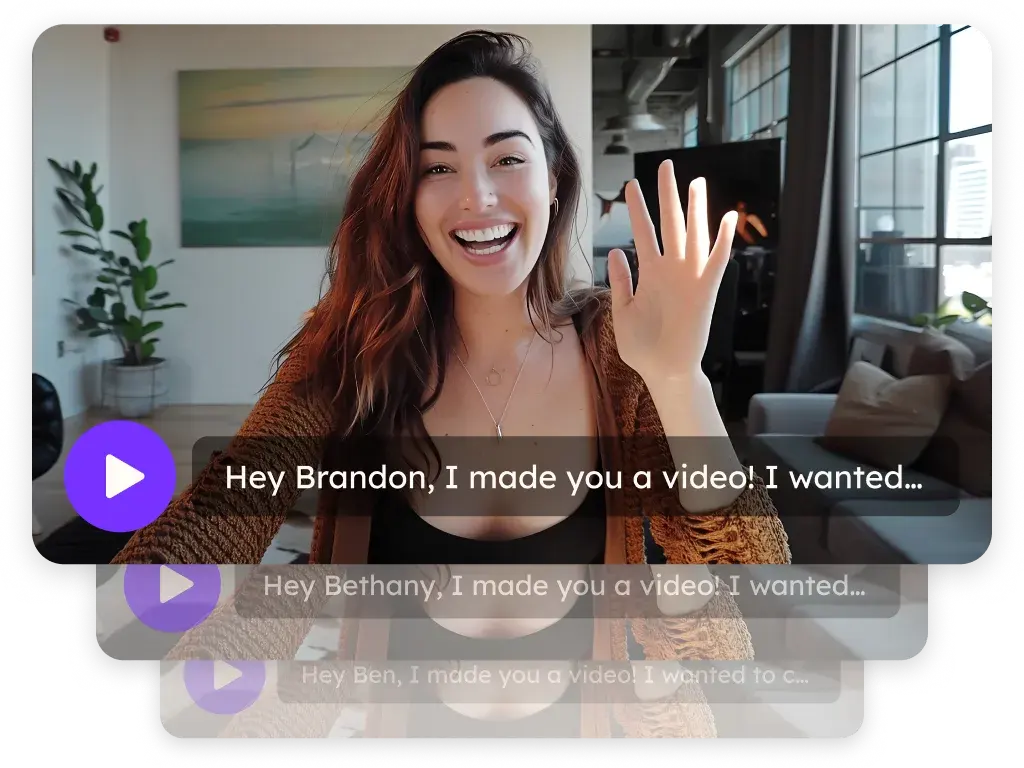
- Personalized video is well suited to high-ticket sales because it lets a rep build a business case once, then send tailored versions to each stakeholder in the buying group — compressing the back-and-forth that normally stretches a long sales cycle.
What dollar amount counts as a high-ticket sale?
There's no single line, but most B2B definitions put the threshold around $10,000, with high-ticket deals commonly running from the low five figures into six or seven figures. Price is a signal, though — the real marker of a high-ticket sale is that it requires a multi-stakeholder evaluation rather than a one-call close.
Why do high-ticket sales involve so many stakeholders?
Larger purchases carry more organizational risk, so more departments want a say before signing off. Gartner's research on B2B buying groups finds a typical committee includes 6 to 10 people spanning finance, IT, procurement, and the end-user team — each conducting their own independent research before the group aligns on a decision.
How does video help close high-ticket B2B deals?
Because high-ticket deals involve stakeholders a rep can't always get on a call, video lets the rep multi-thread the deal — sending a personalized business-case video to each stakeholder, following up 1:1 after meetings to surface objections, and using short asynchronous videos to keep momentum when the buying committee needs to align on their own schedule.
B2B buyers spend just 17% of their total purchase time meeting with potential suppliers — the rest goes to independent research and internal alignment.
— Gartner, B2B Buying Journey research
Related terms
sales · inbound sales · digital sales room · video prospecting
Related reading
Frequently asked questions
What is considered a high-ticket sale in B2B?
Most definitions start around $10,000, with high-ticket deals often reaching six or seven figures. The defining trait is a complex, multi-stakeholder buying process rather than a specific price point.
How long does a high-ticket sales cycle take?
High-ticket B2B sales cycles commonly run several months, driven by the number of stakeholders who need to evaluate and approve the purchase, plus internal budget and procurement steps.
How many people are involved in a high-ticket buying decision?
Gartner puts the typical B2B buying group at 6 to 10 stakeholders. On especially large or complex deals, real-world buying committees can run even larger.
What sales skills matter most for high-ticket deals?
Consultative discovery, multi-threading across stakeholders, and patience — high-ticket buyers expect a rep to understand their specific problem deeply and provide proof, not just pitch a generic solution.
Is high-ticket sales the same as enterprise sales?
They overlap but aren't identical. Enterprise sales refers to selling to large organizations specifically, while high-ticket sales describes any deal — at a company of any size — large and complex enough to require a multi-stakeholder buying process.
How does personalized video fit into a high-ticket sales process?
It lets a rep build a business case once and send a personalized version to each stakeholder in the buying group, keeping the deal moving asynchronously even when not everyone can be reached by phone or in a single meeting.
Published September 2026